

Alcohol overdose, also known as alcohol poisoning, occurs when excessive alcohol consumption overwhelms the body’s ability to process ethanol, leading to toxic effects. The National Institute on Alcohol Abuse and Alcoholism (NIAAA) states in its “Alcohol Poisoning and Overdose” report, published in 2022, that only 30% of alcohol poisoning deaths are related to alcoholism, and only 3% involve other drug use.
The main causes of alcohol poisoning include binge drinking, drinking on an empty stomach, mixing alcohol with other depressants, and consuming alcohol quickly in large quantities. According to the National Institute on Alcohol Abuse and Alcoholism (NIAAA), binge drinking is responsible for over 50% of alcohol-related deaths in the U.S. (NIAAA, 2022).
Signs and symptoms of alcohol poisoning include confusion, vomiting, seizures, slow or irregular breathing, hypothermia, and unconsciousness. These symptoms occur as alcohol suppresses vital functions such as breathing and heart rate, increasing the risk of brain damage or death.
The risks of alcohol poisoning are alcohol use disorder, combining alcohol with other drugs, or consuming alcohol on an empty stomach.
The effects of alcohol poisoning include severe dehydration, brain damage, respiratory failure, and liver damage, which is life-threatening if not treated promptly. According to the World Health Organization (WHO), alcohol-related liver disease contributes to more than 2 million deaths globally each year.
Treatments for alcohol poisoning involve stabilizing the person’s vital signs, administering intravenous fluids, oxygen therapy, and in extreme cases, using medications such as fomepizole or hemodialysis to remove alcohol from the bloodstream.
According to the Centers for Disease Control and Prevention (CDC), alcohol poisoning is a major contributor to approximately 2,200 deaths annually in the U.S.
What Is an Alcohol Overdose?
An alcohol overdose, also called alcohol poisoning, is a life-threatening condition caused by excessive ethanol in the bloodstream that disrupts vital functions such as breathing, heart rate, and body temperature.
It occurs when alcohol consumption exceeds the liver’s metabolic capacity, leading to toxic levels of alcohol in the body. This results in a rapid rise in blood alcohol concentration (BAC), leading to ethanol toxicity.
Other terms for alcohol overdose include ethanol poisoning, acute alcohol toxicity, and alcohol intoxication emergency. These conditions are all marked by dangerously high BAC levels that impair the central nervous system and depress normal physiological responses like the gag reflex, temperature control, and breathing.
According to a report by the Centers for Disease Control and Prevention (CDC) titled “Alcohol Poisoning Deaths: A Deadly Consequence of Binge Drinking,” published in 2022, an estimated 2,200 deaths occur annually in the U.S. due to acute alcohol poisoning, averaging six deaths per day.
This reinforces alcohol overdose as a public health concern tied to binge drinking, delayed treatment, and lack of awareness.
When Does Alcohol Overdose Occur?
Alcohol overdose occurs when the blood alcohol concentration (BAC) reaches levels that suppress the brain’s control over critical life functions such as breathing, heart rate, and consciousness. This happens at a BAC of 0.30% or higher, though impairment begins at much lower levels depending on individual tolerance, body weight, and the rate of alcohol consumption.
The body metabolises alcohol through the liver, which processes about one standard drink per hour. When intake exceeds this capacity, ethanol accumulates in the bloodstream and causes depressant effects that worsen with every drink. Factors like drinking on an empty stomach, rapid intake, or combining alcohol with other depressants elevate overdose risk.
According to a study by the National Institute on Alcohol Abuse and Alcoholism (NIAAA) titled “Alcohol Overdose: The Dangers of Drinking Too Much,” 2023, BAC levels of 0.31% and above are associated with severe central nervous system depression, coma, and risk of death.
What Is Alcohol?
Alcohol is a psychoactive depressant found in alcoholic beverages, primarily composed of ethanol, a volatile, flammable liquid produced through the fermentation of sugars.
Ethanol acts as the active ingredient in beer, wine, and spirits and is responsible for alcohol’s intoxicating effects. Once consumed, it enters the bloodstream through the stomach and intestine, quickly reaching the brain where it slows neural activity and impairs cognitive and motor functions.
As an intoxicant, ethanol influences mood, decision-making, coordination, and consciousness. At lower levels, it cause relaxation and euphoria, while higher doses result in confusion, vomiting, and potential blackout or overdose.
According to a study by the World Health Organization (WHO) titled “Global Status Report on Alcohol and Health,” published in 2023, around 2.3 billion people worldwide consume alcohol, with over 77% of adult men and 59% of adult women in Europe reporting recent alcohol use. This widespread prevalence contributes to global concerns surrounding intoxication, alcohol use disorder, and substance abuse complications.
How Common Is Alcohol Poisoning in Pennsylvania?
Alcohol poisoning is a very common public health concern in Pennsylvania. According to the Centers for Disease Control and Prevention (CDC) in their report “ARDI Alcohol-Attributable Deaths, PA,” published in 2024, there was an average of 70 alcohol poisoning deaths annually in Pennsylvania during 2020–2021. This statistic underscores the severity of alcohol-related harm in the state.
What Causes Alcohol Overdose?
The causes of alcohol overdose or poisoning are binge drinking, rapid alcohol consumption, drinking on an empty stomach, mixing alcohol with other depressants, and underlying health conditions. These factors increase blood alcohol concentration (BAC) beyond safe limits, overwhelming the liver’s ability to metabolize ethanol and leading to toxic accumulation in the bloodstream.

The causes of alcohol overdose or poisoning are explained below:
- Binge Drinking: Consuming large quantities of alcohol in a short period overwhelms the body’s ability to metabolize ethanol, leading to toxic accumulation. The Centers for Disease Control and Prevention (CDC) reports that in 2018, 17.4% of U.S. adults engaged in binge drinking, with men (22.5%) more likely than women (12.6%) to binge drink.
- Ethanol Toxicity: Ethanol, the active component in alcoholic beverages, depresses the central nervous system when consumed in excess, impairing vital functions such as breathing and heart rate. According to the CDC’s Alcohol-Related Disease Impact (ARDI) application, there were an average of 2,641 alcohol poisoning deaths annually in the U.S. from 2020 to 2021.
- Non-Ethanol Alcohols: Ingesting substances containing non-ethanol alcohols, such as methanol or isopropanol, is highly toxic and leads to severe poisoning. While specific statistics on non-ethanol alcohol poisoning are limited, these substances are known to cause serious health effects and require immediate medical attention.
Does Drinking on an Empty Stomach Cause Alcohol Overdose?
Yes, drinking on an empty stomach causes alcohol overdose by accelerating alcohol absorption into the bloodstream, leading to rapid intoxication and increased risk of toxicity.
Without food, alcohol passes quickly from the stomach to the small intestine, where absorption is more efficient, resulting in higher blood alcohol concentration (BAC) levels. According to the pharmacokinetics of ethanol, the presence of food in the stomach delays gastric emptying, thereby slowing the absorption of ethanol into the blood and resulting in lower circulating concentrations.
Furthermore, consuming alcohol on an empty stomach leads to peak BAC levels being reached more rapidly, increasing the risk of alcohol poisoning. The type of food consumed also plays a role; for instance, foods rich in protein and fat further slow the absorption rate, providing a protective effect against rapid intoxication. Therefore, eating before drinking is a crucial step in mitigating the risks associated with alcohol consumption.
What Are The Signs and Symptoms of Alcohol Poisoning?
The signs and symptoms of alcohol poisoning are confusion, vomiting, seizures, slow or irregular breathing, hypothermia, pale or grayish skin, unconsciousness, and trouble staying awake. These symptoms reflect the central nervous system’s progressive shutdown due to toxic levels of ethanol in the bloodstream.
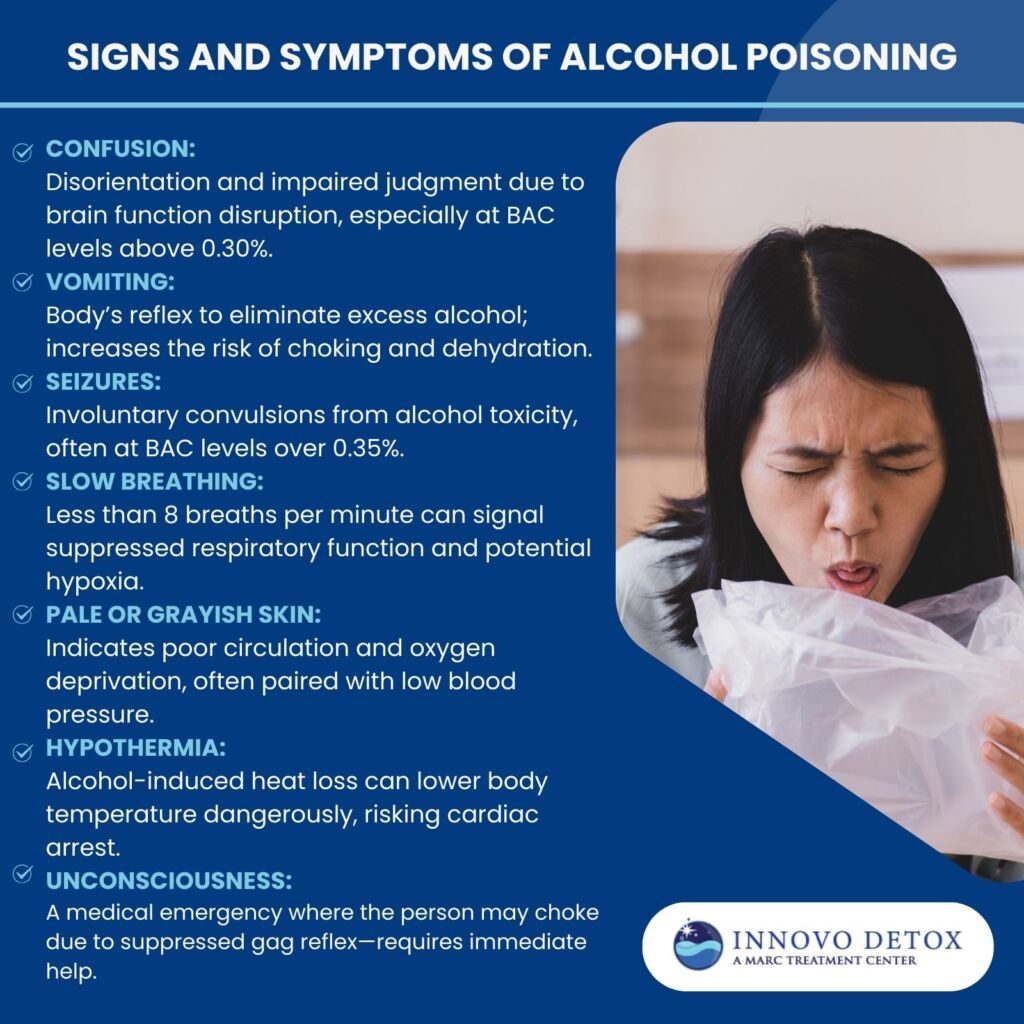
The signs and symptoms of alcohol poisoning are explained below:
- Confusion: Confusion is a common symptom of alcohol poisoning, accompanied by impaired judgment and disorientation. This occurs because ethanol disrupts the brain’s ability to process information and control cognitive functions. According to a study by the National Institute on Alcohol Abuse and Alcoholism (NIAAA) titled “Alcohol Overdose: The Dangers of Drinking Too Much,” published in 2023, cognitive impairment becomes severe as BAC levels exceed 0.30%.
- Vomiting: Vomiting occurs as the body attempts to rid itself of the toxic alcohol. Excessive alcohol causes irritation to the stomach lining, triggering the vomiting reflex. The NIAAA states that alcohol poisoning is associated with vomiting, which leads to choking and dehydration.
- Seizures: Seizures are a severe sign of alcohol poisoning caused by alcohol’s depressant effects on the central nervous system. These involuntary movements occur when the brain becomes overwhelmed by alcohol toxicity. According to a study by the National Institute on Drug Abuse (NIDA) titled “Alcohol and Drug Use in America,” 2022, alcohol-related seizures are a known risk for individuals with high BAC levels over 0.35%.
- Slow Breathing: Slow or irregular breathing is a life-threatening symptom of alcohol poisoning, where alcohol depresses the respiratory centers in the brain. This reduces the rate and depth of breathing, leading to hypoxia. The CDC’s 2021 report “Alcohol Poisoning Deaths in the United States” stated that breathing rates below 8 breaths per minute are commonly associated with severe alcohol intoxication.
- Pale or Grayish Skin: Pale or grayish skin results from poor circulation and low oxygen levels caused by alcohol’s depressive effects on the cardiovascular system. This symptom accompanies slow breathing and a drop in blood pressure. According to the National Institute on Alcohol Abuse and Alcoholism (NIAAA), discolored skin is a strong indicator of critical alcohol overdose situations.
- Hypothermia: Hypothermia is a condition where the body’s core temperature drops dangerously low due to alcohol’s ability to cause vasodilation and heat loss. This puts individuals at risk for cardiac arrest and organ failure.
- Unconsciousness: Unconsciousness is a serious sign of alcohol poisoning, where the individual loses consciousness due to the overwhelming effects of ethanol on the brain. This is followed by a decreased gag reflex, increasing the risk of choking. According to a report by the National Institute on Alcohol Abuse and Alcoholism (NIAAA) titled “Alcohol Poisoning: The Silent Killer,” published in 2023, unconsciousness is a critical sign that requires immediate medical attention.
What Are The Risk Factors of Alcohol Overdose?
The risk factors of alcohol overdose are binge drinking, a history of alcohol use disorder, drinking on an empty stomach, and combining alcohol with other depressants. Additionally, factors like age, gender, body weight, and underlying health conditions significantly increase the risk of alcohol poisoning.

The risk factors of alcohol overdose are explained below:
- Binge Drinking: Binge drinking is defined as consuming five or more drinks in a short period for men, and four or more for women. This pattern of drinking rapidly raises blood alcohol concentration (BAC), overwhelming the body’s ability to metabolize alcohol efficiently. According to the National Institute on Alcohol Abuse and Alcoholism (NIAAA), binge drinking is responsible for over half of the alcohol-related deaths in the U.S. annually.
- Alcohol Use Disorder: Individuals with alcohol use disorder (AUD) have a higher risk of overdose due to prolonged and heavy drinking. Chronic consumption leads to increased tolerance, prompting individuals to consume larger amounts of alcohol, which results in alcohol poisoning. A study by the National Institute on Alcohol Abuse and Alcoholism (NIAAA) found that approximately 14.5 million adults in the U.S. struggle with alcohol use disorder.
- Drinking on an Empty Stomach: When alcohol is consumed on an empty stomach, it passes rapidly from the stomach to the small intestine, leading to faster absorption into the bloodstream. This results in a quicker rise in BAC and increases the risk of poisoning. Research from the University of Illinois has shown that alcohol absorption be up to 50% faster when the stomach is empty.
- Combining Alcohol with Other Depressants: The use of other depressants, such as benzodiazepines or opioids, with alcohol compounds the depressant effects on the central nervous system. This combination leads to severe respiratory depression, a common cause of death in alcohol overdose cases. According to the CDC, drug-alcohol interactions are involved in over 50% of alcohol overdose deaths.
- Age and Gender: Younger adults, particularly those aged 18-34, are more likely to engage in binge drinking, increasing their risk of alcohol overdose. Additionally, women generally experience higher BACs than men after consuming the same amount of alcohol due to differences in body composition and metabolism. According to the National Institute on Alcohol Abuse and Alcoholism (NIAAA), alcohol-related deaths among young adults increased by 5% from 2019 to 2020.
- Body Weight and Size: Individuals with lower body weight or smaller body sizes have a higher risk of alcohol overdose because alcohol is less diluted in their bloodstream. The liver’s ability to process alcohol is also slower in smaller individuals, further increasing BAC levels. Studies show that people who weigh less than 120 pounds are more susceptible to alcohol toxicity, especially when drinking in large quantities.
- Underlying Health Conditions: Chronic conditions such as liver disease, heart problems, or mental health disorders elevate the risk of alcohol overdose by impairing the body’s ability to metabolize alcohol or manage its effects. Alcohol also exacerbates these conditions, leading to complications such as arrhythmias or liver failure. According to a study by the National Institute on Alcohol Abuse and Alcoholism (NIAAA), individuals with liver disease are 3 times more likely to suffer from alcohol overdose.
Can Alcohol Addiction Increase The Risk of Alcohol Poisoning?
Yes, alcohol addiction increases the risk of alcohol poisoning due to the development of a higher tolerance and more frequent binge drinking episodes. Chronic alcohol use leads to an elevated tolerance, causing individuals to consume large amounts of alcohol over a shorter period without feeling immediate effects, which significantly raises the risk of overdose.
Additionally, individuals with alcohol use disorder (AUD) engage in binge drinking, which directly contributes to alcohol poisoning. According to a study by the National Institute on Alcohol Abuse and Alcoholism (NIAAA), individuals with AUD are more likely to experience episodes of binge drinking, which increases the likelihood of reaching dangerously high BAC levels and suffering alcohol toxicity.
What Are The Effects of Alcohol Poisoning?
The effects of alcohol poisoning are severe dehydration, brain damage, respiratory depression, and liver damage. Prolonged alcohol poisoning leads to coma or death due to the suppression of critical bodily functions, including breathing and heart rate.
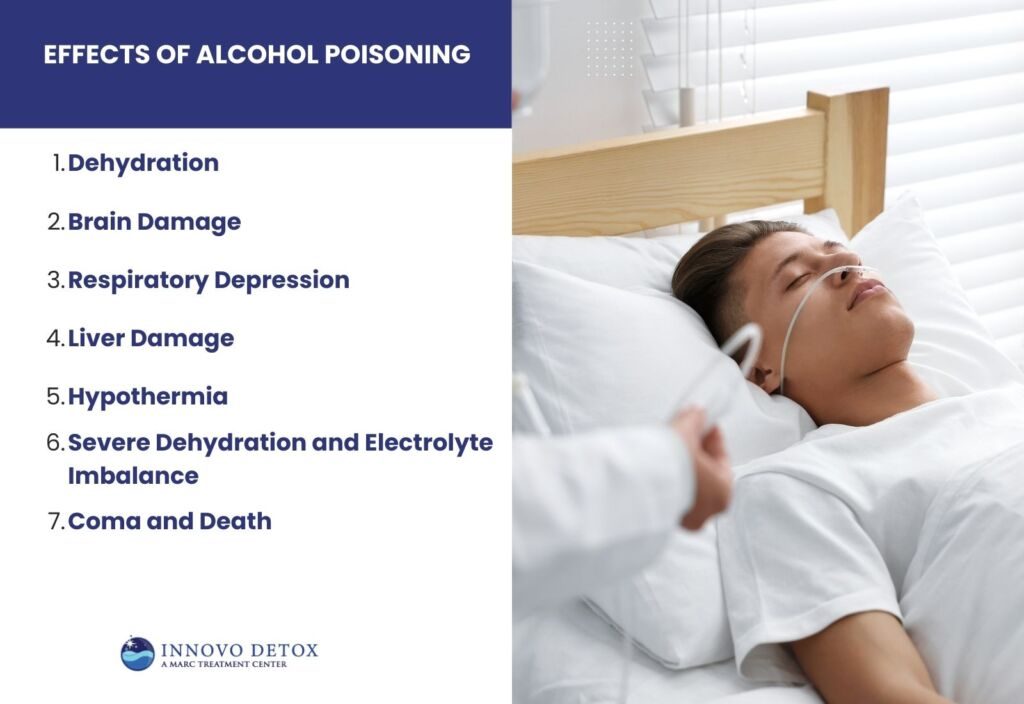
The effects of alcohol poisoning are explained below:
- Dehydration: Alcohol is a diuretic, which increases urine production and leads to dehydration. Dehydration causes dizziness, confusion, and in severe cases, shock. According to the National Institute on Alcohol Abuse and Alcoholism (NIAAA), alcohol-induced dehydration is one of the primary reasons for the hangover effect and exacerbates alcohol poisoning.
- Brain Damage: Alcohol poisoning results in long-term brain damage due to the toxic effects of ethanol on the brain cells. It impairs cognitive functions such as memory, decision-making, and coordination. Research from the National Institutes of Health (NIH) shows that chronic heavy drinking is linked to a reduction in brain volume, which affects motor control and memory.
- Respiratory Depression: Excessive alcohol intake depresses the respiratory system, slowing breathing to dangerous levels. Respiratory depression leads to hypoxia, brain damage, or even death if untreated. The Centers for Disease Control and Prevention (CDC) reports that respiratory depression is a leading cause of death in alcohol overdose cases.
- Liver Damage: Alcohol poisoning leads to acute liver damage, such as alcoholic hepatitis or cirrhosis, due to the toxic effect of ethanol on liver cells. Chronic alcohol consumption weakens the liver’s ability to process toxins, leading to long-term damage.
- Hypothermia: Alcohol poisoning lowers body temperature, leading to hypothermia, especially in colder environments. Alcohol dilates blood vessels, causing heat loss from the body. The National Institute on Alcohol Abuse and Alcoholism (NIAAA) notes that alcohol-related hypothermia is life-threatening, as it exacerbates the risk of heart failure.
- Severe Dehydration and Electrolyte Imbalance: Alcohol increases urination, which leads to electrolyte imbalances, including low sodium and potassium levels. This imbalance causes muscle cramps, seizures, and in severe cases, cardiovascular collapse.
- Coma and Death: One of the most dangerous effects of alcohol poisoning is loss of consciousness, leading to coma and, if untreated, death. Ethanol in high concentrations suppresses the gag reflex and impairs airway protection, increasing the risk of choking and aspiration.
What Is The BAC for Alcohol Overdose?
BAC for alcohol overdose is above 0.30%, with levels above 0.40% considered life-threatening. At these BAC levels, alcohol toxicity begins to suppress vital bodily functions such as breathing, heart rate, and temperature regulation, leading to unconsciousness or death.
However, the actual threshold for overdose varies based on several factors, including an individual’s tolerance, body weight, metabolism, and whether other substances, such as drugs, are involved.
For instance, individuals with higher tolerance are able to withstand higher BAC levels without immediate symptoms, while those with lower tolerance are at a higher risk of acute alcohol poisoning.
According to the National Institute on Alcohol Abuse and Alcoholism (NIAAA), a BAC of 0.08% is considered legally impaired, but overdose occurs at levels of 0.30% and above, resulting in significantly heightened risks of death and severe health complications.
Does Binge Drinking Contribute to Alcohol Overdose?
Yes, binge drinking contributes to alcohol overdose by rapidly increasing blood alcohol concentration (BAC) to life-threatening levels. Binge drinking is defined as consuming five or more drinks in two hours for men, and four or more for women.
This pattern of excessive alcohol intake overwhelms the liver’s ability to metabolize ethanol, causing BAC levels to rise quickly and leading to alcohol poisoning. According to the Centers for Disease Control and Prevention (CDC), approximately 38 million adults in the U.S. engage in binge drinking, and over 50% of alcohol-related deaths are attributed to binge drinking episodes.
The risks of binge drinking are particularly high in individuals who engage in frequent episodes, as repeated alcohol toxicity leads to long-term health consequences such as liver damage and brain impairment.
How Is Alcohol Poisoning Diagnosed?
Alcohol poisoning is diagnosed based on clinical evaluation, medical history, and specific laboratory tests that assess the severity of intoxication. A key diagnostic indicator is measuring blood alcohol concentration (BAC) through blood tests, as levels above 0.30% signal severe poisoning.
In addition to BAC, doctors conduct physical examinations, checking for signs of confusion, slow or irregular breathing, and hypothermia. Other tests, such as a urine analysis, are used to evaluate kidney function, while arterial blood gas tests assess oxygen and carbon dioxide levels in the blood.
The diagnosis is further confirmed by evaluating the patient’s vital signs, including heart rate, temperature, and respiratory rate. Timely identification of alcohol poisoning is critical, as it helps determine the necessary medical interventions, such as intravenous fluids, oxygen therapy, or even the use of antidotes like fomepizole for methanol poisoning.
How Is Alcohol Overdose Treated?
Alcohol overdose is treated by stabilizing the patient’s airway, breathing, and circulation, administering intravenous fluids, and monitoring vital signs. In severe cases, medical professionals use alcohol addiction medications to reverse respiratory depression, and in extreme instances, patients require intubation or dialysis to remove alcohol from the bloodstream.
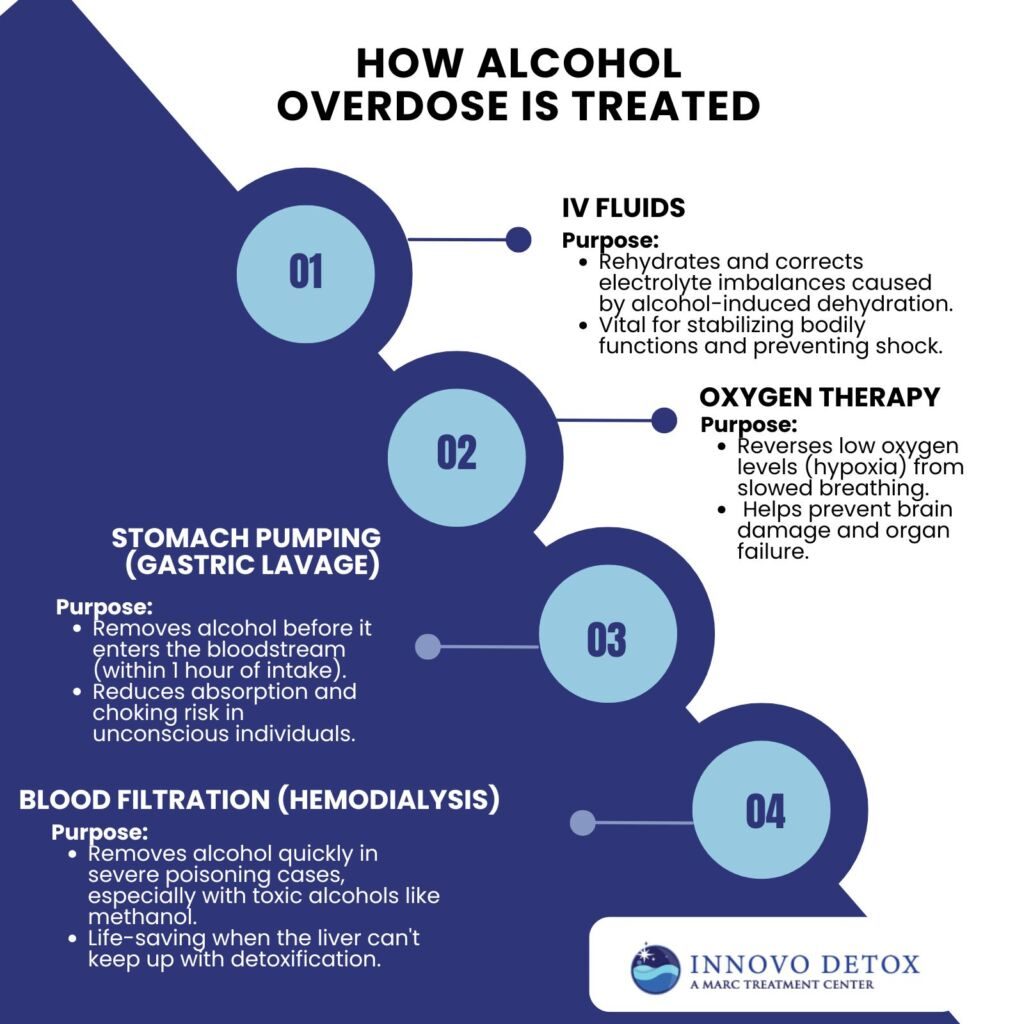
Ways to treat alcohol overdose include the following:
- IV Fluids: Intravenous (IV) fluids are administered to hydrate the body and help correct electrolyte imbalances caused by alcohol-induced dehydration. Alcohol is a diuretic, leading to fluid loss and dehydration, which worsen the effects of alcohol poisoning. According to the National Institute on Alcohol Abuse and Alcoholism (NIAAA), IV fluids are essential for stabilizing the body’s physiological functions, preventing shock, and supporting kidney function during alcohol overdose treatment.
- Oxygen Therapy: Oxygen therapy helps to correct hypoxia (low oxygen levels in the blood), which is a common complication of alcohol poisoning due to impaired respiratory function. Alcohol poisoning depresses the respiratory system, leading to shallow or slow breathing. According to the Centers for Disease Control and Prevention (CDC), supplying oxygen helps prevent brain damage and other organ failures caused by inadequate oxygen supply.
- Stomach Pumping: Stomach pumping, or gastric lavage, is used in cases of acute alcohol poisoning to remove alcohol from the stomach before it is absorbed into the bloodstream. This procedure is most effective when performed within an hour of alcohol consumption. The National Institutes of Health (NIH) recommends gastric lavage for patients who are unconscious or at high risk of aspiration, as it prevents further alcohol absorption and reduces the risk of choking or vomiting.
- Blood Filtration: Blood filtration, such as hemodialysis, is used in extreme cases of alcohol poisoning where the liver’s ability to metabolize alcohol is overwhelmed. This method helps to quickly remove alcohol from the bloodstream, especially in cases of poisoning due to high concentrations of methanol or isopropanol. According to the National Institute on Alcohol Abuse and Alcoholism (NIAAA), hemodialysis is lifesaving in cases where other treatments fail to stabilize the patient.
What Are Medications for Alcohol Poisoning?
Medications for alcohol poisoning are fomepizole, methanol, ethylene glycol, and benzodiazepine. They are primarily supportive and aim to manage symptoms while preventing complications.
In severe cases, medications like fomepizole or ethanol are administered to inhibit the metabolism of toxic alcohols like methanol or ethylene glycol, which are sometimes consumed unintentionally.
Fomepizole works by inhibiting the enzyme alcohol dehydrogenase, preventing the production of toxic metabolites that cause organ damage. According to a study by the National Institutes of Health (NIH) titled “The Role of Fomepizole in Alcohol Poisoning Treatment,” published in 2022, fomepizole has been shown to reduce the risk of severe toxicity and death when used in alcohol poisoning cases (NIH, 2022).
For patients with severe symptoms, benzodiazepines are used in alcohol addiction treatment to manage agitation or seizures, while intravenous thiamine prevents Wernicke-Korsakoff syndrome, a condition linked to alcohol abuse.
Is It Safe to Treat Alcohol Overdose at Home?
No, it is not safe to treat an alcohol overdose at home. Alcohol poisoning is a medical emergency that requires immediate professional intervention. Attempting to manage an alcohol overdose without medical assistance leads to life-threatening complications such as respiratory failure, cardiac arrest, or death.
The Centers for Disease Control and Prevention (CDC) emphasizes that alcohol poisoning affects vital functions like breathing, heart rate, and body temperature, and immediate medical care is essential.
How Can I Avoid Alcohol Poisoning?
You can avoid alcohol poisoning by drinking in moderation, pacing yourself, and never binge drinking or consuming large amounts of alcohol in a short time. Additionally, eating before or while drinking and staying hydrated with water helps slow alcohol absorption and reduces the risk of overdose.
Ways to avoid alcohol poisoning include the following:
- Drink in Moderation: Drinking in moderation involves limiting alcohol intake to levels that the body processes safely. For men, this means no more than 2 drinks per day, and for women, no more than 1 drink per day, as recommended by the National Institute on Alcohol Abuse and Alcoholism (NIAAA).
- Pace Yourself: Pacing yourself by consuming no more than one standard drink per hour allows the liver time to process alcohol and avoid overwhelming the body. This reduces the risk of a rapid increase in blood alcohol concentration (BAC), which is a key factor in alcohol poisoning.
- Avoid Binge Drinking: Binge drinking, defined as consuming five or more drinks in two hours for men or four for women, dramatically increases the risk of alcohol overdose. Studies show that binge drinking is responsible for over 50% of alcohol-related deaths in the U.S.
- Eat Before or While Drinking: Eating before or during alcohol consumption slows the absorption of alcohol into the bloodstream, reducing the risk of rapid intoxication. Foods high in protein and fats are particularly effective, as they stay in the stomach longer and delay gastric emptying, leading to slower alcohol absorption.
- Stay Hydrated with Water: Drinking water between alcoholic beverages helps to prevent dehydration, a common side effect of alcohol consumption. Dehydration worsens alcohol poisoning by increasing the severity of hangovers and impairing the body’s ability to metabolize alcohol efficiently.
How Long Does Alcohol Poisoning Last?
Alcohol poisoning lasts for several hours, with the effects of alcohol lingering until the body has metabolized and eliminated the substance. On average, the body processes about one standard drink per hour, and symptoms of alcohol poisoning persist for up to 12 hours, depending on the amount consumed and the individual’s metabolism.
During this time, medical supervision is essential to monitor vital signs, as the risks of respiratory depression and organ failure remain high. In severe cases, the effects of alcohol poisoning last longer, and complications continue even after the person regains consciousness.
Can I Die From an Alcohol Overdose?
Yes, you can die from an alcohol overdose. Excessive alcohol consumption leads to life-threatening conditions such as respiratory depression, hypothermia, and cardiac arrest. According to the Centers for Disease Control and Prevention (CDC), approximately 178,000 deaths occur annually in the United States due to excessive alcohol use, including alcohol poisoning and related causes.
What Can I Do When Someone Has an Alcohol Overdose?
If someone is experiencing an alcohol overdose, call emergency services immediately and provide details about the amount of alcohol consumed. While waiting for help, do not leave the person alone, monitor their breathing, and keep them sitting up or on their side to prevent choking.
Things to do when someone has an alcohol overdose include:
- Calling 911: The first and most important step in alcohol overdose emergencies is to call emergency services immediately. Quick response is the difference between life and death, as medical professionals administer life-saving treatments. The CDC reports that alcohol poisoning is a medical emergency that requires urgent intervention to prevent fatal consequences.
- Keeping the Person Awake: If the person is conscious, try to keep them awake and sitting upright. This helps reduce the risk of choking by preventing them from lying down, which blocks the airway.
- Preventing Choking: Position the person on their side to prevent choking in case of vomiting. Never attempt to make the person vomit, as this causes further complications, such as aspiration pneumonia. According to a study published by the National Institutes of Health (NIH), aspiration and choking are among the leading causes of death in alcohol overdose cases.
How Much Alcohol Is Safe to Drink Daily?
The amount of alcohol safe to drink daily is moderate alcohol consumption. Moderate alcohol drinking is defined by health guidelines as up to one standard drink per day for women and up to two for men.
A “standard drink” is considered to be 14 grams of pure alcohol, which is found in 12 ounces of beer, 5 ounces of wine, or 1.5 ounces of distilled spirits. However, moderate drinking varies depending on individual health factors such as body weight, tolerance, and any underlying medical conditions.
According to the National Institute on Alcohol Abuse and Alcoholism (NIAAA), these guidelines are intended to reduce the risk of alcohol-related health issues, such as liver disease and alcohol use disorder, while recognizing that tolerance and health conditions influence safe drinking levels.


