

Hydrocodone addiction is a form of opioid use disorder where individuals become physically and psychologically dependent on hydrocodone, a potent painkiller. Its misuse is widespread, particularly in the U.S., where opioid-related overdose deaths are a significant concern. According to the Centers for Disease Control and Prevention’s report “Drug Overdose Deaths in the United States, 2002–2022,” the age-adjusted rate of drug overdose deaths involving natural and semisynthetic opioids, such as morphine, oxycodone and hydrocodone, decreased by 12.5%, from 4.0 in 2021 to 3.5 in 2022. In Pennsylvania, hydrocodone addiction continues to affect thousands, with growing public health concerns.
The main causes of hydrocodone addiction include genetic predisposition, chronic pain management, environmental influences, and mental health issues. Overprescription and easy access to hydrocodone contribute to the development of addiction. Individuals also misuse hydrocodone to self-medicate underlying emotional distress, such as anxiety or depression, increasing the risk of long-term dependence.
The symptoms of hydrocodone addiction manifest physically and behaviorally. Physical signs include tolerance, withdrawal symptoms, and respiratory depression. Behaviorally, individuals with hydrocodone addiction exhibit compulsive drug-seeking behavior, secrecy, and a lack of control over their use. These symptoms escalate if left untreated, leading to significant life disruptions and health complications.
Hydrocodone addiction has serious effects on both physical and mental health. Chronic misuse causes liver damage, respiratory issues, and an increased risk of overdose. Mental health consequences include depression, anxiety, and cognitive impairments. The addiction severely impacts relationships, employment, and overall quality of life, making recovery challenging without professional intervention.
Effective treatment options for hydrocodone addiction include medically supervised detox, inpatient rehabilitation, outpatient therapy, and medication-assisted treatment (MAT) with FDA-approved medications such as methadone or buprenorphine. These strategies, alongside behavioral therapies like Cognitive Behavioral Therapy (CBT), significantly improve recovery outcomes. Overall, early intervention and continuous support are key to long-term success in preventing relapse and managing prescription drug addiction, with 68% of individuals struggling with addiction recovering as studied by SAMSHA.
What Is Hydrocodone Addiction?
Hydrocodone addiction is a form of opioid dependence characterized by a compulsive need to use hydrocodone despite harmful consequences. This condition stems from the overuse or misuse of hydrocodone, a prescription painkiller commonly used to treat moderate to severe pain. Individuals with this addiction develop both physical and psychological dependence, leading to tolerance and intense cravings. These factors contribute to a cycle of substance abuse that is challenging to break.
The addictive nature of hydrocodone lies in its interaction with the brain’s opioid receptors, which produce euphoria and a sense of well-being. This pleasurable effect is a key driver behind its misuse. According to Cofano S, Patel P., Yellon R., et al. 2024, “Hydrocodone” is prescribed for pain relief following surgeries, injuries, or chronic pain conditions because it blocks pain signals effectively. The widespread availability of hydrocodone makes it one of the top three most commonly abused prescription opioids in the U.S., further fueling the opioid dependence crisis. In 2023 alone, the CDC reported approximately 125 million opioid prescriptions, including hydrocodone, were dispensed to patients across the nation, highlighting the scale of its accessibility.
Addiction to hydrocodone develops through misuse, where individuals consume higher doses or use the drug without a prescription. The combination of hydrocodone with acetaminophen, as seen in medications like Vicodin and Lortab, exacerbates the risk of dependency. While acetaminophen is not addictive, it increases the danger of liver damage when taken in high doses. According to the Centers for Disease Control and Prevention’s report “Drug Overdose Deaths in the United States, 2002–2022,” the age-adjusted rate of drug overdose deaths involving natural and semisynthetic opioids, such as morphine, oxycodone and hydrocodone, decreased by 12.5%, from 4.0 in 2021 to 3.5 in 2022.
What Is Hydrocodone, and Why Is It Prescribed?
Hydrocodone is a potent opioid pain reliever prescribed primarily for managing moderate to severe pain that is unresponsive to other treatments. As a prescription opioid, it is commonly used in short-term pain management following surgeries, injuries, or for chronic conditions like arthritis or cancer-related pain. Hydrocodone is combined with non-opioid pain relievers such as acetaminophen to enhance its analgesic effects, with well-known trade names including Vicodin, Norco, and Lortab.
Hydrocodone exerts its effects by binding to the mu-opioid receptors in the brain and spinal cord. This interaction inhibits pain signal transmission, leading to significant pain relief. Hydrocodone stimulates the brain’s reward system by triggering the release of neurotransmitters like dopamine, which creates feelings of euphoria and well-being. While these effects are beneficial for reducing discomfort and improving quality of life during medical use, they also contribute to the drug’s high potential for abuse and addiction.
Why Is Hydrocodone So Addictive?
Hydrocodone is highly addictive because it directly interacts with the brain’s opioid receptors, triggering a significant release of dopamine, a neurotransmitter associated with pleasure and reward. This surge in dopamine creates intense feelings of euphoria, reinforcing the desire to use the drug repeatedly. Over time, the brain adapts to these high levels of dopamine by reducing its natural production, leading to dependency. As this dependency develops, individuals experience tolerance, requiring higher doses of hydrocodone to achieve the same effects. These escalating doses further increase the risk of addiction by intensifying cravings and solidifying the cycle of misuse.
How Long Does It Take to Get Addicted to Hydrocodone?
It takes as little as 2 to 4 weeks to get addicted to hydrocodone, depending on the dosage, frequency of use, and the individual’s susceptibility to addiction. According to a study in the Journal of Pain Research 2021, the risk of dependence significantly increases with prolonged use or doses exceeding prescribed limits. Misuse, such as taking hydrocodone for its euphoric effects or using it without medical supervision, accelerates the development of addiction.
During this period, hydrocodone binds to opioid receptors in the brain, triggering repeated dopamine release, which creates a reinforcing cycle of pleasure and reward. As tolerance builds, the brain requires higher doses of the drug to achieve the same effects, leading to stronger cravings and compulsive use. Research by the National Institute on Drug Abuse (NIDA) stresses that even short-term misuse of opioids like hydrocodone disrupts the brain’s natural dopamine regulation, causing addiction to develop quickly.
What Are the Main Causes of Hydrocodone Addiction?
The main causes of hydrocodone addiction are overprescription, genetic predisposition, emotional factors like stress or trauma, and environmental influences. These factors interact to increase the risk of dependency and perpetuate substance abuse.
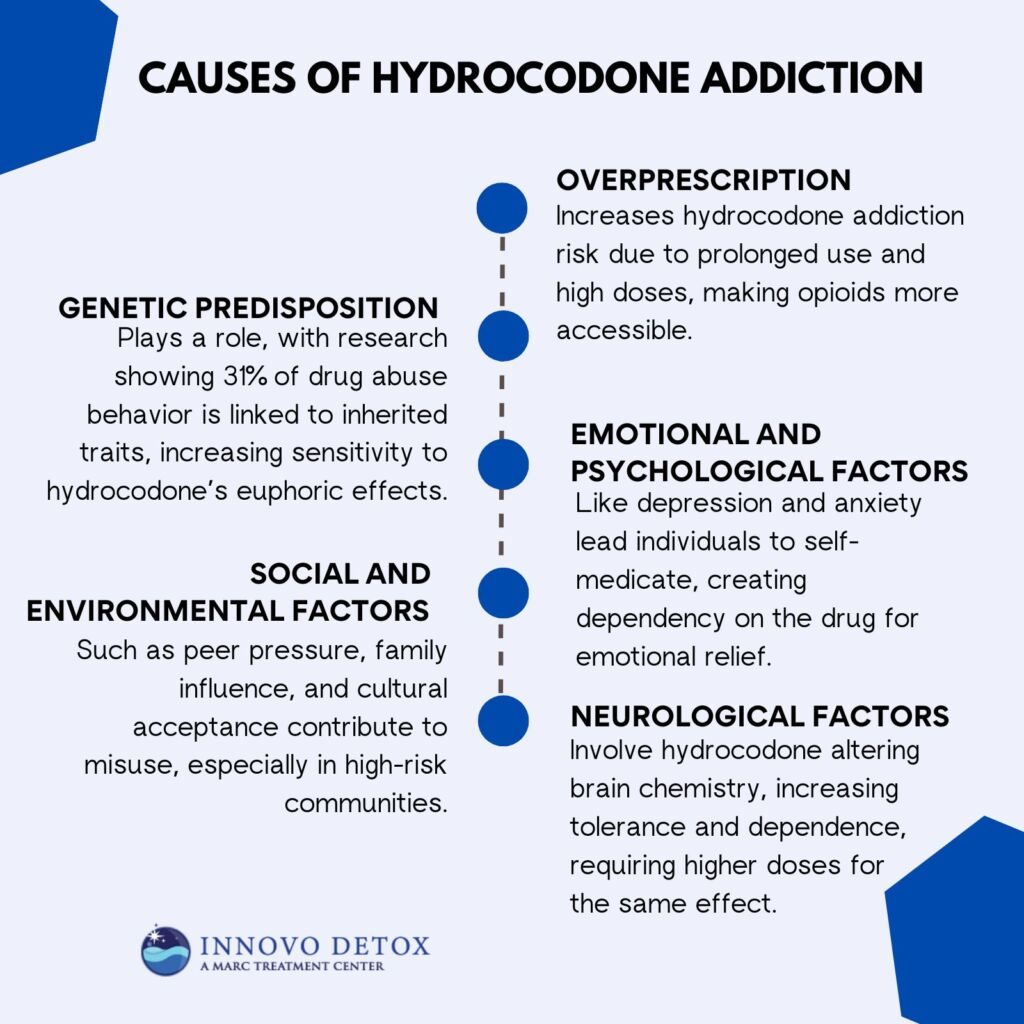
The main causes of hydrocodone addiction are as follows:
- Overprescription: Easy access to hydrocodone through overprescription is a leading cause of addiction. Physicians prescribe the drug for managing pain, but prolonged use or high doses lead to dependency. According to Cofano S, Patel P et al. 2024, “Hydrocodone,” the normalization of opioid prescriptions has significantly contributed to its misuse.
- Genetic Predisposition: A family history of substance abuse increases the likelihood of hydrocodone addiction. Research by Tsuang MT et al. 1998, “Co-occurrence of abuse of different drugs in men,” found that 31% of the variance in drug abuse behavior is due to genetic factors. Individuals with this predisposition are more sensitive to the euphoric effects of hydrocodone, making them more vulnerable to addiction.
- Emotional and Psychological Factors: Mental health issues such as depression, anxiety, or trauma drive individuals to self-medicate with hydrocodone. This reliance on the drug for emotional relief creates a cycle of dependency. Among adults with moderate or severe depressive symptoms, women and men have similarly high rates of smoking, ranging from 39% to 48%, as reported by the Center for Disease Control and Prevention titled “NCHS Data Brief, Number 34, 2020.”
- Social and Environmental Factors: Peer pressure, family influence, and cultural acceptance of drug use contribute significantly. Tsuang MT et al. 1998 reported that family and non-family environmental factors accounted for 25% to 44% of the variance in drug abuse. The availability of hydrocodone prescriptions increases its misuse, particularly in high-risk communities.
- Neurological Factors: Neurological factors involve the brain’s chemistry and the way it processes reward and pleasure. Hydrocodone alters brain chemistry by stimulating opioid receptors, which leads to increased tolerance and dependence. Over time, individuals require higher doses to achieve the same euphoric effects, further contributing to addiction.
What Are the Signs and Symptoms of Hydrocodone Addiction?
The signs and symptoms of hydrocodone addiction are physical, behavioral, and psychological indicators that manifest as dependency progresses. These symptoms range in severity and affect different aspects of an individual’s health and behavior.

The physical signs and symptoms of hydrocodone addiction are as follows:
- Drowsiness: Hydrocodone acts as a central nervous system depressant, leading to extreme fatigue and lethargy. This is caused by the drug’s effect on the brain’s opioid receptors, which slow down brain activity. According to Healthline’s study “Hydrocodone Addiction And Abuse,” persistent drowsiness occurs in over 50% of individuals misusing hydrocodone.
- Constricted Pupils: The interaction of hydrocodone with the parasympathetic nervous system causes noticeable pupil constriction, even in low-light conditions. This physiological response is a major sign of opioid use and is an early warning sign of addiction. According to a study by Medical News Today titled “How do opioids affect the eyes?” the pupils become smaller as the circular iris sphincter muscle contracts. Changes in eye movement and drooping eyelids also occur.
- Respiratory Depression: Hydrocodone slows breathing by suppressing the brainstem’s respiratory centers. This dangerous side effect leads to oxygen deprivation, particularly at high doses, and is a leading cause of opioid overdose fatalities, as studied by Boom M, Niesters M, Sarton E, Aarts L, Smith TW, Dahan et al. 2012, titled “A. Non-analgesic effects of opioids: opioid-induced respiratory depression.”
- Nausea and Vomiting: Many individuals experience gastrointestinal distress as hydrocodone disrupts the gut’s opioid receptors, according to a study by Camilleri M, Lembo A, Katzka DA. et al. 2017, titled “Opioids in Gastroenterology: Treating Adverse Effects and Creating Therapeutic Benefits.” This symptom is common in the early stages of use and persists with higher doses.
- Physical Dependence: Regular use leads to withdrawal symptoms such as sweating, chills, and muscle aches when the drug is not taken. These symptoms indicate the body’s reliance on hydrocodone for normal functioning.
The behavioral signs and symptoms of hydrocodone addiction are as follows:
- Doctor Shopping: Addicted individuals visit multiple healthcare providers to obtain additional prescriptions.
- Neglecting Responsibilities: Hydrocodone addiction leads to a decline in personal and professional obligations. Missed work, declining academic performance, and poor hygiene are typical signs.
- Increased Secrecy: Individuals hide their use from family or friends, avoiding discussions about their behavior or whereabouts to avoid detection.
- Risky Behaviors: Driving under the influence or combining hydrocodone with alcohol or other substances reflects impaired judgment and a growing dependency.
- Financial Problems: Addiction leads to significant financial strain due to excessive spending on obtaining the drug illegally when prescriptions run out.
The psychological signs and symptoms of hydrocodone addiction are as follows:
- Cravings: Cravings are a key psychological symptom that perpetuates misuse. Intense, uncontrollable urges to use hydrocodone result from the drug’s impact on dopamine release, according to a study by Kosten TR, George TP. et al. 2002, titled “The neurobiology of opioid dependence: implications for treatment.”
- Depression and Anxiety: Hydrocodone alters the brain’s natural balance of neurotransmitters, leading to mood disturbances when not under the drug’s influence. Wasan AD, Davar G, Jamison R., et al. 2005, titled “The association between negative affect and opioid analgesia in patients with discogenic low back pain,” found patients on opioids experience 40% less pain relief from the drug if they have mood disorder. They need more drugs to get the same benefits.
- Irritability: As tolerance increases, individuals become irritable or agitated when unable to use the drug. These mood swings affect interpersonal relationships.
- Cognitive Impairment: Regular hydrocodone use interferes with memory, concentration, and decision-making, as the drug disrupts normal brain function, as studied by van Steenbergen H, Eikemo M, Leknes S., et al. 2019, titled “The role of the opioid system in decision making and cognitive control: A review.”
- Emotional Numbing: Some individuals report feeling detached or indifferent, a result of the drug’s sedative effects on emotional processing centers in the brain.
What Are the Early Warning Signs of Hydrocodone Addiction That People Often Miss?
The early warning signs of hydrocodone addiction that people often miss are subtle behaviors and physical changes like increased tolerance, excessive mood swings, withdrawal from social activities, and acting secretive. Recognizing these early signs helps in preventing full-blown addiction and seeking timely intervention.
The early warning signs of hydrocodone addiction that people often miss are as follows:
- Seeking Refills Early: One of the first signs of addiction is a pattern of requesting medication refills before the prescribed amount is exhausted. This behavior occurs as the body develops tolerance, causing the individual to require higher doses to achieve the same effects. According to the National Institute on Drug Abuse (NIDA), this is a common early indicator seen in about 20% of individuals abusing prescription opioids.
- Increased Tolerance: As hydrocodone use continues, the individual needs progressively higher doses to experience pain relief or the euphoric effects that initially occurred with lower doses. This phenomenon, known as tolerance, is a physiological adaptation where the brain and body become less responsive to the drug. It is a strong predictor of developing opioid dependence.
- Withdrawal from Social Activities: As addiction develops, individuals begin withdrawing from social events or activities they once enjoyed. This isolation stems from the emotional and psychological effects of addiction, which prioritize obtaining and using the drug over engaging with others. This behavior is exacerbated by the anxiety or irritability that accompanies opioid dependence.
- Mood Swings and Irritability: Hydrocodone addiction causes significant mood fluctuations, including irritability or anxiety, especially when the drug begins to wear off. These emotional shifts are due to disrupted natural neurotransmitter balances in the brain, particularly serotonin and dopamine. Individuals appear more agitated or anxious, which goes unnoticed as a side effect of their medication.
- Overuse of the Drug for Minor Pain: As tolerance increases, individuals begin using hydrocodone for pain that is not severe enough to warrant it, or they take the drug to prevent pain rather than treat it. This overuse is a subtle sign that the drug is being used as a coping mechanism rather than for legitimate pain relief.
How Does Hydrocodone Addiction Impact Physical and Mental Health?
Hydrocodone addiction impacts physical and mental health by causing severe disruptions in multiple organ systems, primarily through liver damage and respiratory depression, while also exacerbating mental health issues like depression and anxiety. The drug’s combination of hydrocodone and acetaminophen is particularly harmful to the liver. Chronic use, especially at high doses, leads to liver toxicity, which results in liver failure over time. According to a study by LiverTox titled “Clinical and Research Information on Drug-Induced Liver Injury,” prolonged hydrocodone use is one of the leading causes of liver-related complications, particularly in individuals who misuse the drug by taking excessive doses.
Physically, hydrocodone’s depressive effects on the central nervous system also cause respiratory depression, a condition where breathing slows or becomes irregular. This is especially dangerous, as it leads to life-threatening oxygen deprivation and is a leading cause of overdose fatalities. As reported by the Centers for Disease Control and Prevention (CDC), respiratory depression is the direct cause of death in nearly 50% of opioid-related overdoses.
Mentally, hydrocodone addiction causes significant psychological distress. Long-term misuse is linked to an increased risk of depression and anxiety, conditions worsened by the drug’s interference with the brain’s natural dopamine regulation. A study by the National Institute on Drug Abuse (NIDA) found that opioid use disorders, including those involving hydrocodone, are highly correlated with mood disorders, as the drug alters brain chemistry and exacerbates underlying mental health conditions. These effects hinder overall well-being, leading to a cycle of dependence, emotional instability, and impaired quality of life.
Why is Hydrocodone Addiction More Dangerous Than Other Prescription Painkillers?
Hydrocodone is more dangerous than many other prescription painkillers due to its high potency and the severity of withdrawal symptoms experienced by users. As an opioid, hydrocodone binds to the brain’s opioid receptors, producing powerful pain relief and euphoria. This potency increases the risk of developing dependence and addiction as users quickly build tolerance and require higher doses to achieve the same effects. The drug’s combination with acetaminophen also amplifies the risk of liver damage, particularly with prolonged or excessive use, making hydrocodone more dangerous than many other painkillers.
The severity of hydrocodone withdrawal is another factor that makes it particularly hazardous. When an individual becomes physically dependent on hydrocodone, they experience intense withdrawal symptoms such as nausea, vomiting, anxiety, muscle pain, and severe cravings when attempting to quit. According to a study by the National Institute on Drug Abuse (NIDA), these withdrawal symptoms are among the most difficult to manage compared to other prescription opioids, making it harder for individuals to stop using the drug without professional intervention.
In 2020, hydrocodone-related overdoses accounted for over 3,500 deaths in the U.S., according to the Centers for Disease Control and Prevention (CDC). This statistic emphasizes the dangerous potential of hydrocodone misuse, particularly in cases where individuals combine the drug with other substances or exceed the prescribed dosage.
What Are the Withdrawal Symptoms of Hydrocodone Addiction?
The withdrawal symptoms of hydrocodone addiction are nausea, sweating, insomnia, and a range of other physical and psychological effects that occur when an individual attempts to stop or reduce their hydrocodone use. These symptoms are severe and last for several days, depending on the degree of dependency and the individual’s history of use.
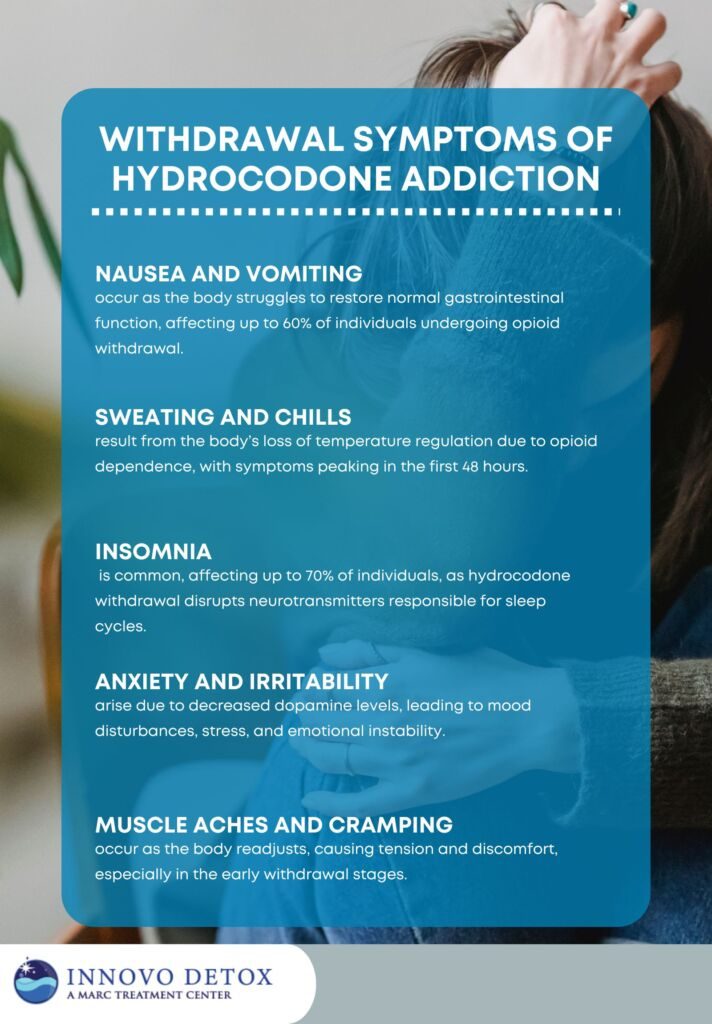
The withdrawal symptoms of hydrocodone addiction are as follows:
- Nausea and Vomiting: One of the most common and unpleasant symptoms of hydrocodone withdrawal is nausea, accompanied by vomiting. This is due to the body’s reaction to the absence of the drug, which had previously disrupted normal gastrointestinal function. According to an article by Healthline titled “Withdrawing from Opiates and Opioids,” up to 60% of individuals going through opioid withdrawal report significant nausea and vomiting, making the process physically distressing.
- Sweating and Chills: Hydrocodone withdrawal frequently triggers episodes of excessive sweating and chills as the body tries to regain homeostasis. This occurs because the opioid had previously regulated body temperature, and without it, the body’s autonomic functions become dysregulated. These symptoms are severe and cause discomfort, especially during the first 48 hours of withdrawal.
- Insomnia: Sleep disturbances, including insomnia, are common during hydrocodone withdrawal. Opioids like hydrocodone alter the brain’s chemistry, including neurotransmitters that control sleep cycles. As the drug leaves the system, the individual experiences restlessness and an inability to fall or stay asleep. Research indicates that insomnia affects up to 70% of individuals undergoing opioid withdrawal, according to a study by Shah M, Huecker MR. et al. 2024, titled “Opioid Withdrawal.”
- Anxiety and Irritability: The withdrawal process also causes heightened anxiety and irritability due to the changes in brain chemistry. Hydrocodone, like other opioids, increases dopamine levels, which contribute to feelings of pleasure. When the drug is no longer in the system, the individual experiences significant mood disturbances, including anxiety, stress, and irritability.
- Muscle Aches and Cramping: Muscle pain and cramping are other common withdrawal symptoms that occur as the body adjusts to the absence of hydrocodone. The opioid had previously acted as a muscle relaxant, so when it’s withdrawn, muscles tense up and cause discomfort. These symptoms are intense, particularly during the early stages of withdrawal.
How Long Do Hydrocodone Withdrawals Last?
Hydrocodone withdrawal symptoms typically last between 5 to 10 days but can persist longer for severe cases, according to the American Psychiatric Association et al. 2013, titled “Opioid use disorder. In Diagnostic and Statistical Manual of Mental Disorders (5th ed.).” The intensity and duration depend on factors such as the individual’s level of dependence, the dose used, and the duration of use. In more severe cases, symptoms last up to a few weeks, with some individuals experiencing lingering psychological effects like anxiety and depression.
What Are the Dangers of Self-Detoxing from Hydrocodone?
The dangers of self-detoxing from hydrocodone include unmanaged withdrawal symptoms, potential relapse, and serious medical complications. When individuals attempt to detox on their own, they lack the necessary support to manage the intense physical and psychological withdrawal symptoms such as nausea, anxiety, and muscle pain. Without professional supervision, these symptoms become overwhelming, increasing the risk of relapse.
A study by the US Food and Drug Association (FDA) shows that as many as 65% to 70% of individuals who attempt self-detox from opioids like hydrocodone relapse. Self-detoxing leads to dangerous medical complications, such as dehydration, seizures, and heart issues, especially when withdrawal symptoms are left untreated. Individuals must seek medical supervision during detox to ensure a safe and effective recovery process.
What Are the Best Hydrocodone Addiction Treatment Options?
The best hydrocodone addiction treatment options are detox programs, inpatient and outpatient rehabilitation programs, medication-assisted treatment (MAT), behavioral therapies, support groups, and aftercare programs. These treatment options focus on different aspects of recovery, such as managing withdrawal symptoms, providing therapeutic support, and maintaining long-term sobriety. Each treatment option is customized to the individual’s needs, severity of addiction, and personal circumstances. Combining several methods, such as detoxification with behavioral therapy and medication-assisted treatment, improves the chances of successful recovery from addiction by 68%, as studied by SAMSHA.
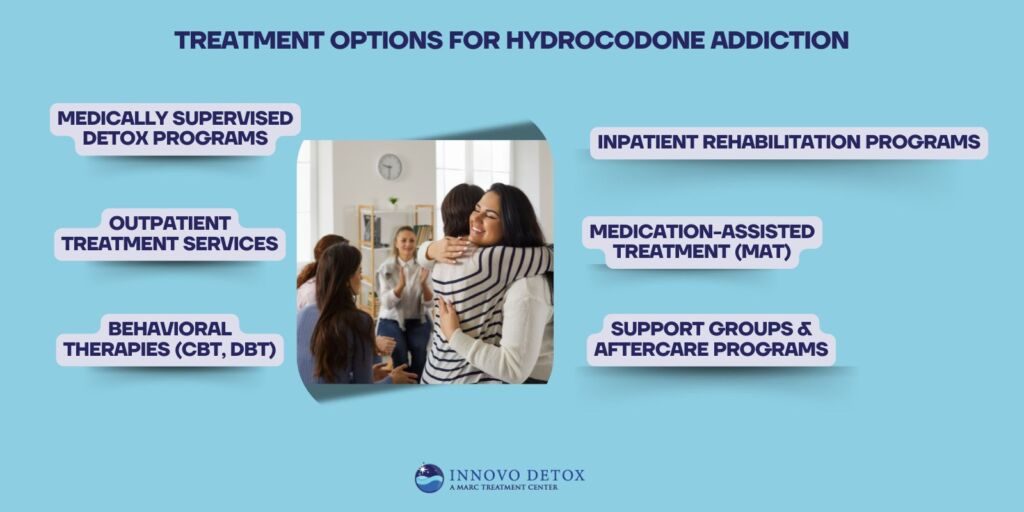
The best hydrocodone addiction treatment options are as follows:
1. Medically Supervised Detox Programs
Medically supervised detox programs are important for managing hydrocodone withdrawal symptoms and ensuring safety during the initial phase of recovery. These programs provide 24/7 medical supervision, which helps individuals safely navigate the uncomfortable and sometimes dangerous withdrawal process. With professional support, patients are closely monitored for complications such as dehydration, severe anxiety, or cardiovascular issues, which arise during detox. According to the American Society of Addiction Medicine (ASAM), medically supervised detox reduces the risks associated with withdrawal. Stabilizing patients before they enter further treatment programs increases the likelihood of successful long-term recovery.
2. Inpatient Rehabilitation Programs
Inpatient rehabilitation programs offer 24/7 care, providing a structured environment where individuals focus entirely on their recovery. These programs involve intensive therapy, including individual counseling, group therapy, and holistic approaches to address both the physical and psychological aspects of addiction. Inpatient rehab is considered the most effective treatment for those with severe hydrocodone addiction because it offers a controlled environment free from external triggers and distractions.
Research published in the Journal of Substance Abuse Treatment has shown that individuals who undergo inpatient treatment have significantly higher success rates in maintaining sobriety compared to those who seek less intensive forms of treatment. According to a study by Finney JW, Hahn AC, Moos RH. et al. 1996, titled “The effectiveness of inpatient and outpatient treatment for alcohol abuse: the need to focus on mediators and moderators of setting effects,” five studies demonstrated significant setting effects that favored inpatient treatment over outpatient programs.
3. Outpatient Treatment Services
Outpatient treatment services offer a flexible option for individuals who do not require 24/7 care but still need structured support in overcoming hydrocodone addiction. These programs allow patients to continue their daily responsibilities while living at home and attending regular counseling and therapy sessions. Outpatient treatments include individual therapy, group therapy, and family counseling to address the root causes of addiction and develop coping strategies.
According to the National Institute on Drug Abuse (NIDA), outpatient treatment is effective when combined with strong community support. According to a study by Tran K, McGill S. et al. 2021, titled “Treatment Programs for Substance Use Disorder,” individuals who complete outpatient rehab have a 30-50% lower risk of relapse compared to those attempting recovery without professional support. However, it is less intensive than inpatient rehab for individuals with more severe addictions.
4. Medication-Assisted Treatment (MAT)
Medication-assisted treatment (MAT) combines FDA-approved medications like methadone or buprenorphine with therapy to help manage cravings and prevent relapse during recovery. MAT has been shown to be highly effective in reducing the risk of relapse and maintaining long-term recovery from hydrocodone addiction. Medications such as buprenorphine work by partially stimulating opioid receptors in the brain, reducing cravings and withdrawal symptoms without producing the same euphoric effects as hydrocodone. A study by Bahrami K, Kuo YF, Digbeu B, Raji MA. et al. 2023, titled “Association of Medication-Assisted Therapy and Risk of Drug Overdose-Related Hospitalization or Emergency Room Visits in Patients With Opioid Use Disorder,” found that MAT significantly reduces the relapse rate, with a 40-60% reduction in opioid use when patients adhere to the prescribed medication and therapy regimen. This integrated approach improves overall treatment outcomes and supports long-term abstinence.
5. Behavioral Therapies
Behavioral therapies, such as Cognitive Behavioral Therapy (CBT), are integral to addiction treatment for hydrocodone dependence. These therapies address the underlying causes of addiction, such as trauma, stress, or mental health disorders, and help individuals develop coping mechanisms to manage triggers and cravings. CBT, in particular, focuses on changing negative thought patterns and behaviors associated with substance use.
A study published in the American Journal of Psychiatry found that individuals receiving CBT in conjunction with other addiction treatments had significantly better outcomes in terms of reducing drug use and improving mental health. By focusing on the root causes of addiction, behavioral therapies lay the foundation for long-term recovery. According to Verywell Mind, Cognitive Behavioral Therapy (CBT) has shown a significant success rate in treating opioid use disorder, with approximately 60% of individuals who undergo CBT maintaining their recovery for at least one year.
6. Support Groups and Aftercare Programs
Support groups and aftercare programs maintain long-term sobriety for individuals recovering from hydrocodone addiction. Peer support through group meetings such as Narcotics Anonymous (NA) offers individuals a sense of community and shared experience, which is important for preventing relapse. Aftercare programs provide continued support through counseling, case management, and connections to community resources.
Research has shown that individuals attending aftercare programs have a significantly lower relapse rate, with a study by Passetti LL, Godley MD, Kaminer Y., et al. 2016, titled “Continuing Care for Adolescents in Treatment for Substance Use Disorders,” indicating a 30% reduction in relapse for those who remain actively involved in support groups post-treatment. According to a Recovery Research Institute study, among the roughly 22.3 million Americans in recovery from some form of a substance use disorder (SUD), 17% successfully recovered through support services. These programs help individuals reinforce the skills and strategies learned during primary treatment, ensuring they stay on track in their recovery journey.
Are Holistic or Alternative Therapies Effective for Hydrocodone Addiction?
Yes, holistic and alternative therapies are effective for hydrocodone addiction when used in conjunction with traditional treatment methods. Therapies such as acupuncture, yoga, and mindfulness have been shown to reduce stress, improve emotional well-being, and support recovery by addressing the mind-body connection. However, they are not standalone solutions and should be considered complementary to evidence-based treatments like medication-assisted therapy and behavioral counseling for optimal outcomes.
What Local Treatment Resources Are Available in Pennsylvania for Hydrocodone Addiction?
The local treatment resources that are available in Pennsylvania for hydrocodone addiction are the Pennsylvania Department of Drug and Alcohol Programs (DDAP), Allegheny County Department of Human Services (DHS), and Private rehabs like Innovo Detox. These resources provide comprehensive support, from detoxification programs to outpatient therapy, all designed to help individuals recover from opioid use disorder. With the support of local treatment centers and programs, residents access a range of treatment services to begin their journey toward recovery.
The local treatment resources that are available in Pennsylvania for hydrocodone addiction are as follows:
- Pennsylvania Department of Drug and Alcohol Programs (DDAP): This state agency provides information on available treatment centers, including state-funded programs for those struggling with substance use disorders. DDAP helps connect individuals with appropriate care and support services.
- Allegheny County Department of Human Services (DHS) – Behavioral Health Office: Offers a range of addiction treatment services, including outpatient care, residential programs, and medication-assisted treatment, for individuals in Allegheny County.
- Bucks County Drug & Alcohol Commission: Provides comprehensive addiction treatment services, including outpatient and residential programs, specifically for Bucks County residents. Services include counseling, support groups, and recovery services.
- Innovo Detox: A private, standalone detox facility in Pennsylvania offering evidence-based medical, psychiatric, and clinical care for individuals who have an addiction, substance use disorder, and co-occurring disorders.
How to Prevent Relapse from Hydrocodone Addiction Effectively?
To prevent relapse from hydrocodone addiction effectively, it is important to adopt a comprehensive approach that includes identifying triggers, building a strong support network, and following a structured aftercare plan. These strategies help individuals stay focused on their recovery journey, significantly reducing the risk of returning to drug use. By integrating behavioral therapy, social support, and ongoing care, individuals greatly enhance their chances of maintaining long-term sobriety. When combined, these elements form some of the most effective strategies to prevent relapse, empowering individuals to navigate the challenges of recovery and build a stable, drug-free future.
To prevent relapse from hydrocodone addiction effectively, the following strategies are employed:
- Identifying Triggers: Recognizing and understanding personal triggers, such as specific people, situations, or emotions that prompt drug use, is a compulsory step in preventing relapse. By identifying these triggers, individuals proactively avoid situations or develop healthier coping mechanisms. Research by Guenzel N, McChargue D., et al. 2023, titled “Addiction Relapse Prevention,” shows that nearly 50% of individuals recovering from opioid addiction experience relapse within the first year due to unaddressed triggers. Effective strategies to prevent relapse include working with a therapist to develop a personalized trigger-management plan.
- Building a Strong Support Network: A robust support system is important for long-term recovery. This includes family, friends, support groups, and healthcare professionals. Having people to turn to during difficult moments reduces the risk of relapse by providing emotional support and accountability. According to the National Institute on Drug Abuse (NIDA), individuals who engage in a support system during recovery are less likely to relapse.
- Following Aftercare Plans: Aftercare is required during addiction recovery because it helps individuals maintain sobriety after completing formal treatment programs. These plans include outpatient therapy, ongoing counseling, and attendance at support groups. By adhering to an aftercare plan, individuals stay focused on their recovery and continue to build resilience against relapse. Individuals who follow aftercare treatment have a significantly lower relapse rate. Menon J, Kandasamy A., et al. 2018, in their study titled “Relapse prevention,” indicate a relapse prevention rate of up to 60% among those who engage in long-term recovery services.
What Are the Most Common Triggers for Relapse After Hydrocodone Addiction Treatment?
The most common relapse triggers for relapse after hydrocodone addiction treatment are stress, social pressure, and the availability of hydrocodone. Stress, both emotional and physical, is a significant factor, as it leads individuals to seek substances for relief. Social pressure, particularly in environments where drug use is normalized, is also a powerful trigger. The availability of hydrocodone, whether through prescriptions or illicit sources, remains a potent risk for relapse. According to WebMD, environmental cues and stress account for 40% to 60% of relapse cases. To avoid these triggers, individuals are encouraged to develop healthy coping strategies, seek professional support, and avoid situations where drug use is prevalent.
How Can Family Members Support a Loved One Recovering from Hydrocodone Addiction?
Family members can support a loved one recovering from hydrocodone addiction by fostering open communication, attending therapy sessions, and offering consistent encouragement. It’s important for families to be understanding and patient, as recovery is a long process filled with challenges. Attending therapy together helps strengthen relationships and provide insight into the recovery process, making it easier for families to provide the right support. Creating a positive, drug-free home environment and encouraging healthy habits help reinforce the individual’s commitment to recovery. Emotional support, empathy, and involvement are key to sustaining long-term sobriety.
What Steps Can Be Taken to Avoid Hydrocodone Addiction?
Steps that can be taken to avoid hydrocodone addiction include responsible use of prescriptions, exploring alternative pain management methods, and educating individuals on the risks of addiction. These steps are important in minimizing the risk of developing dependence on hydrocodone and decreasing the prescription drug addiction potential.
The following steps can be taken to avoid hydrocodone addiction:
- Responsible Use of Prescriptions: Following the prescribed dosage and frequency is paramount in preventing addiction. Patients should never take hydrocodone more often or in higher doses than prescribed. Adhering to a doctor’s instructions ensures that the medication is used appropriately, reducing the risk of misuse and dependency. It’s important to communicate openly with healthcare providers if there are concerns about pain management or the medication’s side effects.
- Exploring Alternative Pain Management Methods: Exploring non-opioid alternatives to manage pain, such as physical therapy, acupuncture, or non-narcotic pain relief medications, significantly reduces reliance on hydrocodone. By adopting these strategies, individuals manage their pain effectively without the addiction potential associated with opioids.
- Education on Addiction Risks: Educating both patients and healthcare providers on the risks of opioid use and addiction is required to avoid misuse. Awareness about the dangers of hydrocodone and the signs of dependence encourages individuals to seek help early if they start to experience symptoms of misuse. This proactive education ultimately prevents opioid addiction before it develops.
How Addictive Is Hydrocodone Compared to Other Opioids?
Hydrocodone is highly addictive compared to other opioids, though it is generally considered less potent than opioids like fentanyl and oxycodone. Compared to oxycodone, hydrocodone has a lower risk of misuse and overdose, but it still carries a significant potential for dependence and addiction, significantly when misused. Fentanyl, an extremely potent synthetic opioid, has a far higher risk of overdose and addiction, even in small amounts.
Tramadol, while an opioid, is considered less addictive due to its partial agonist effect on opioid receptors, but it still causes dependence when misused. According to the National Institute on Drug Abuse (NIDA), hydrocodone remains one of the most commonly prescribed opioids, contributing to a significant number of addiction cases. However, its relative risk pales in comparison to the highly addictive and dangerous effects of fentanyl.
What is Considered an Excessive Dose of Hydrocodone?
Anything above 50 milligrams per day is considered an excessive dose of hydrocodone. Hydrocodone is prescribed in doses of 5 to 10 milligrams every 4 to 6 hours, but when taken in higher doses, the risk of overdose significantly increases. The danger lies in the fact that hydrocodone is a potent opioid that depresses the respiratory system, leading to potentially fatal consequences.
According to the Centers for Disease Control and Prevention (CDC), doses exceeding 50 milligrams per day double the risk of overdose. In addition to respiratory depression, excessive doses of hydrocodone cause severe drowsiness, confusion, and even loss of consciousness, making overdose a pressing health concern. Safe use should always follow the prescribed dosage and interval recommended by a healthcare provider.
How Frequently Can Hydrocodone Be Taken Without Risks?
Hydrocodone can be taken every 4 to 6 hours without significant risks as long as it is following the prescribed dosage. The maximum dosage should not exceed 20 to 40 milligrams per day, depending on individual health factors and the severity of the pain. According to the American Academy of Pain Medicine, frequent use of hydrocodone beyond the prescribed frequency increases the risk of developing tolerance, dependence, and even overdose. It’s important to follow the prescribed intervals to minimize the risks associated with opioid use, including addiction and the potential for adverse side effects. Overuse of hydrocodone, or taking it more than prescribed, should be avoided to ensure safety and prevent long-term consequences.
How Long Does It Take to Recover from Hydrocodone Addiction?
It takes approximately 3 to 6 months to recover from hydrocodone addiction, though the process varies significantly depending on the individual, according to Medical News Today. The recovery timeline includes withdrawal, detoxification, rehabilitation, and long-term sobriety maintenance. While withdrawal symptoms subside in a matter of weeks, recovery from the psychological aspects of addiction, including the risk of relapse, takes much longer. Factors such as the length of use, the severity of addiction, and an individual’s health and support system all influence the recovery pace. Long-term recovery takes years of ongoing therapy and lifestyle changes to ensure sustained sobriety.
What to Do If Your Loved Ones Are Struggling with Hydrocodone Addiction?
If your loved one is struggling with hydrocodone addiction seek professional help. The first step is to approach the situation with care and empathy, avoiding judgment or anger. Offering non-judgmental support is important in helping them feel safe in discussing their addiction. It’s also important to stage an intervention, if necessary, to encourage them to seek treatment. A professional addiction treatment center helps manage withdrawal symptoms and offers therapies to support recovery. You can start by seeking professional help for Hydrocodone addiction, where trained experts will guide your loved one through the detox and rehabilitation process. Encouraging therapy, offering emotional support, and remaining involved in their recovery journey are important in helping your loved one overcome hydrocodone addiction.


